
How sound baths reset the nervous system during a workday
Did you know that 77% of workers globally report burnout, making nervous system regulation tools more necessary than ever during the working day? In this guide, we explain how sound baths reset the nervous system during a workday, so your people can shift out of fight-or-flight and back towards calmer focus, steadier mood, and better recovery.
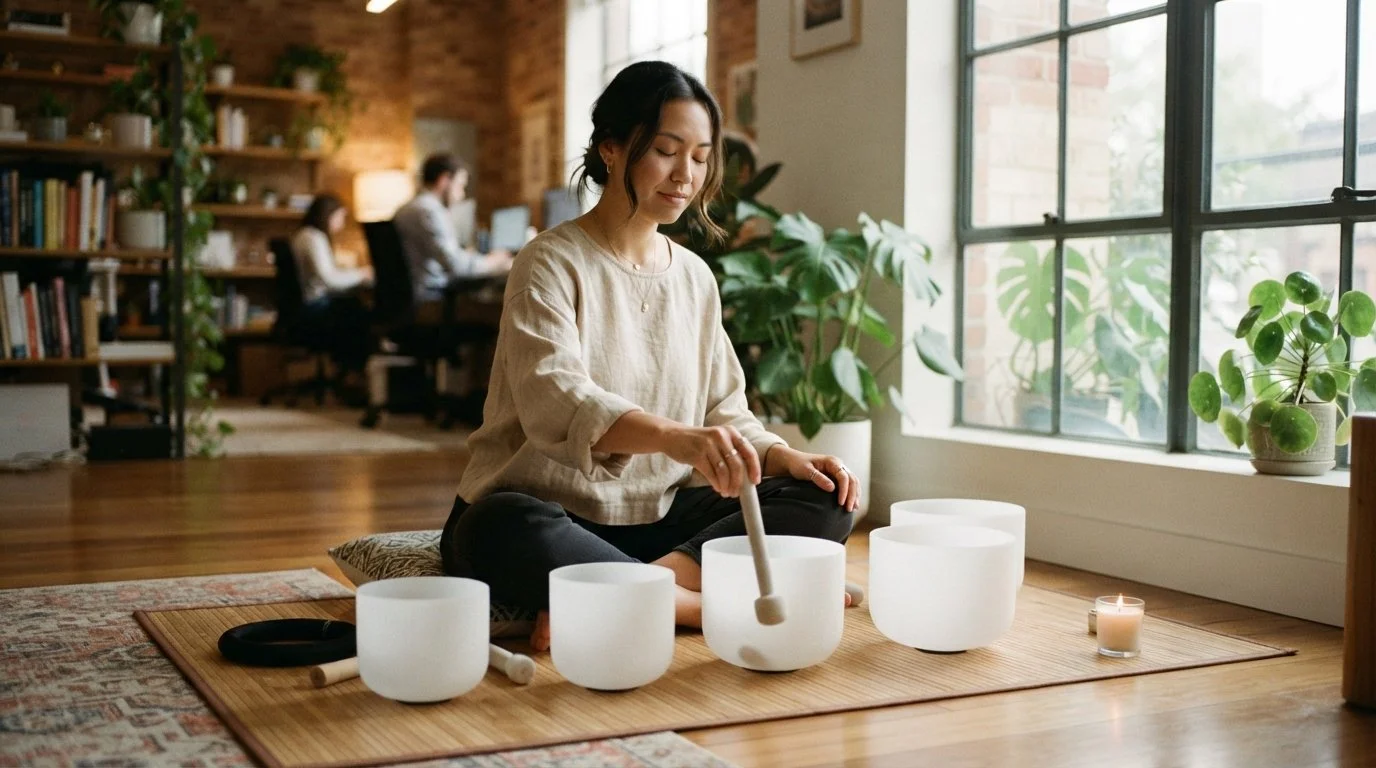
Key takeaways for sound bath nervous system reset (corporate wellbeing)
| What you’ll learn | Why it matters at work | How we apply it |
|---|---|---|
| How sound baths reset the nervous system during a workday | Helps the body move from stress mode towards regulation and rest | We build sessions around calm, predictable sound so your system can downshift |
| Corporate wellbeing corporate wellness that fits real schedules | Short, consistent resets can support daily recovery | We plan workplace wellbeing sessions that slot around meetings and workload |
| Sound, breath, and attention | Multi-sensory calm can reduce perceived strain | We pair sound baths with other workplace wellbeing options when needed |
| What to expect during the reset | People often notice slower breathing, less tension, and improved clarity | We guide participants gently, so it feels safe and easy |
| How to roll this into corporate wellbeing days | Creates a shared recovery culture | We support corporate wellness day planning with practical session formats |
If you want to explore our approach to corporate wellbeing corporate wellness, start with our overview of services on our corporate wellness and workplace wellbeing offering.
Why your nervous system stays “on” during a workday
When work piles up, your body often shifts towards a stress response that prioritises survival, not recovery. That can look like tight shoulders, shallow breathing, a racing mind, and difficulty letting go after meetings.
We see this most clearly in teams where workload, deadlines, and constant communication keep the body in a heightened state. Over time, that pattern can contribute to burnout and reduced resilience, which is why How sound baths reset the nervous system during a workday is becoming a practical question for corporate wellbeing programmes, not just personal interest.
Sound baths provide a structured way to interrupt that loop. Instead of asking people to “try to relax”, we give them a consistent auditory environment that supports regulation.
What happens in the body during a sound bath nervous system reset
Sound baths use sustained tones, gentle rhythmic patterns, and resonance to influence the way you feel internally. The nervous system responds to predictable sensory input by moving away from threat scanning and towards settling.
In plain terms, the reset works because sound can guide physiological change. Many people experience this as softer focus, slower breathing, reduced muscle tension, and a calmer mental “volume”.
Downshifting attention: repeated tones and slow dynamics reduce cognitive load.
Breath alignment: as the body relaxes, breathing often becomes slower and deeper.
Muscle release: when the threat response eases, the body can let go of protective tension.
Emotional regulation: calmer internal signals make it easier to respond rather than react.
That is why we treat sound baths as a workplace tool for corporate wellbeing corporate wellness, designed to help people recover during the day, not only after they clock out.
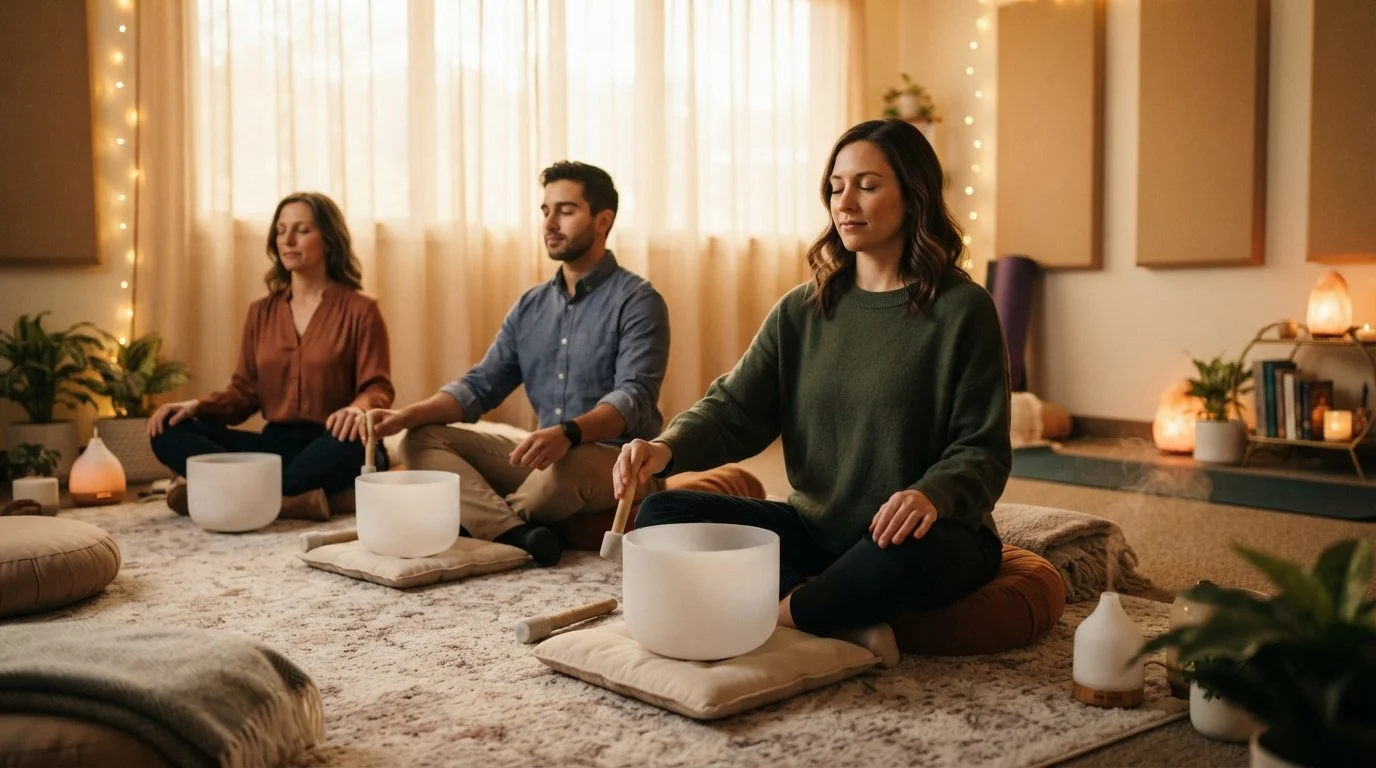
How sound baths reset the nervous system during a workday, step by step
We recommend thinking of the nervous system reset as a short sequence rather than a single moment. Below is a practical breakdown of what usually happens across the session and into the hours that follow.
Arrive in a lower-stimulation state
Participants settle into a comfortable posture. The environment is intentionally calm, so the body stops preparing for “more input”.
Let sound do the pacing
Tones and vibrations provide consistent timing. This helps reduce the need for constant mental tracking, which is a common driver of workplace stress.
Notice the body shift
People often feel warmth, heaviness, softening around the jaw or chest, and a calmer internal rhythm.
Integration before returning to work
We guide a gentle return so the nervous system does not jump straight from stillness into demands.
When used as part of employee wellbeing activities, this “reset pathway” can support clearer thinking for the rest of the workday. When scheduled around busy periods, it can also make corporate wellness day initiatives feel more tangible and human.
Corporate wellbeing corporate wellness: the evidence-driven case for sound
We regularly hear the same question from HR and office leaders: “Will this actually help, or will it just feel like a nice break?” Our answer is to ground sound baths in clear mechanisms, and pair them with a workplace plan.
Did You Know?
Two thirds of Brits report feeling overwhelmed by life pressures, with work being the most common source of stress.
Source: TAM Studio
This is exactly why sound baths can support corporate wellbeing corporate wellness. They are not a distraction from work, they are a regulation tool that helps people recover attention and manage strain.
It also helps to frame sound sessions as part of corporate wellness day and workplace wellness day activities, where the goal is shared recovery across the team.
What a workday sound bath looks like (and how long it should be)
For a workday setting, the “right” duration is the one that fits your schedule and allows real downshifting. Many programmes run sound baths in longer sessions, but we adapt to the reality of office calendars and energy levels.
Sound baths are often designed with enough time for the nervous system to settle and physiological shifts to begin. In practice, that means you do not want a session so short that it becomes just a sensory event.
We also plan around how people feel after. Some teams prefer a reset earlier in the day, others schedule sound baths to help with the late-afternoon dip. Either way, we build the return-to-work moment carefully.
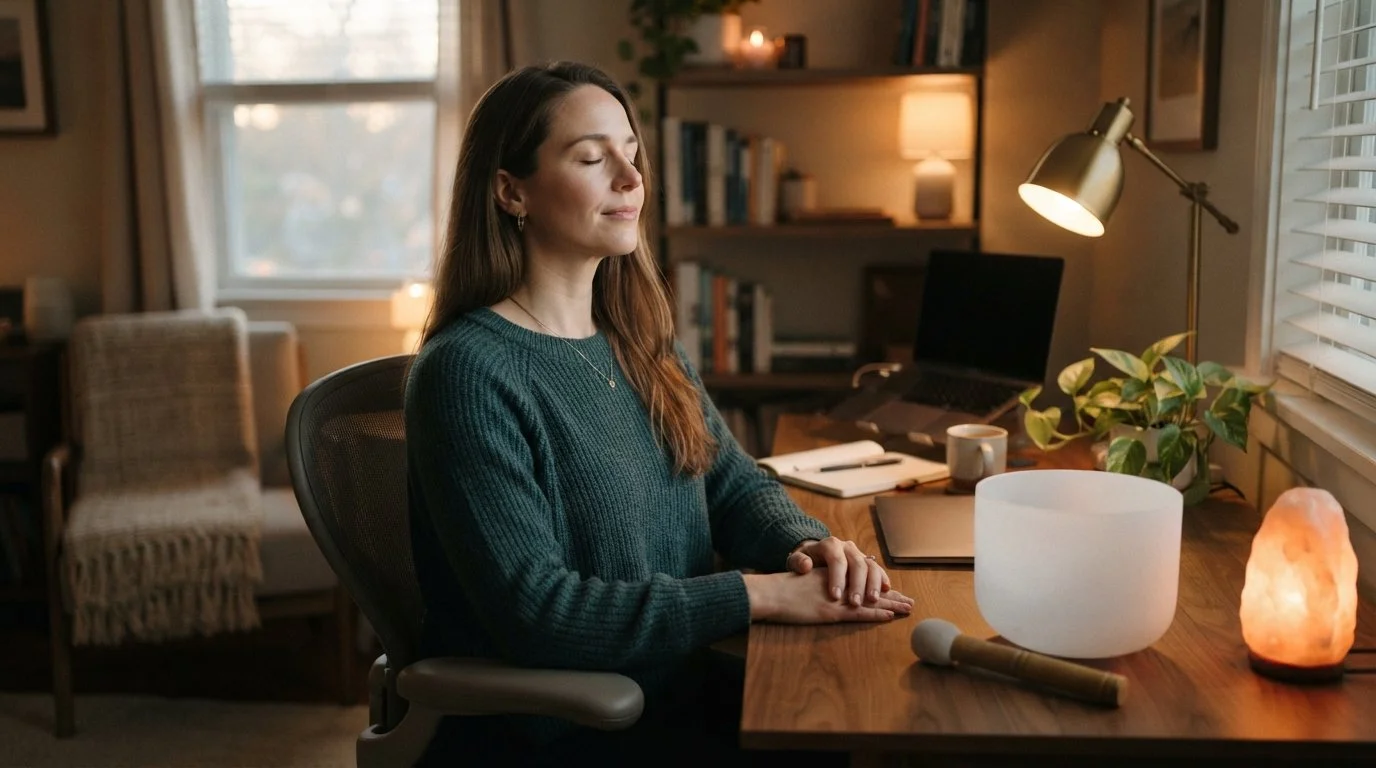
Best ways to schedule sound baths for corporate wellbeing days
If you are thinking about corporate wellbeing days, the key is consistency. One sound bath can feel calming, but a structured rhythm helps the nervous system learn safety and familiarity.
Here are workplace-friendly scheduling options we often use for employee wellbeing day style programmes:
Mid-morning reset: supports steadier focus before the heaviest meeting block.
Post-lunch downshift: helps people move from digestion-heavy sluggishness into calm productivity.
Pre-deadlines session: supports emotional regulation before high-stakes moments.
Short repeated sessions: if time is tight, smaller resets still support nervous system downshifting when repeated.
These formats also support a culture of employee wellbeing activities that teams look forward to, rather than another task competing for attention.
How Differently Wellbeing blends sound baths with workplace wellness
At Differently Wellbeing, we deliver expert-led wellbeing sessions tailored to workplace needs. Sound baths sit alongside other options such as breathwork, meditation, yoga, and team-building, so you can choose what makes sense for your culture and capacity.
You can explore what we offer through our workplace wellbeing services, or read how we describe the sound bath approach in a dedicated guide on what a sound bath is and how it can help corporate wellbeing.
For teams that also want movement support on the same schedule, our programmes can include workplace yoga as part of a broader nervous system care plan, for example through our workplace yoga programmes.
What to expect after a sound bath during the workday
Most people do not just “feel relaxed”. They often return to work with a more regulated internal state, which can mean less reactivity and more stable attention.
Here are common, practical outcomes that teams report when they use sound baths as workplace wellness day activities or scheduled wellbeing breaks:
Less tension: shoulders and jaw often feel less tight.
Clearer focus: the mind feels quieter, easier to return to tasks.
Better emotional reset: people feel more able to respond calmly.
Improved recovery: it becomes easier to transition between work blocks.
Did You Know?
Typical sound bath sessions often run for 45 and 75 minutes, giving enough time for the nervous system to settle and shifts to begin.
Source: Global Wellness Alliance
These outcomes are why we recommend sound baths as a sensible option for employee wellbeing day planning, especially when you want an intervention that supports nervous system regulation rather than only “mindfulness in theory”.
Is a sound bath enough for corporate wellness day outcomes?
A sound bath can be a powerful reset, but it works best when it is part of a wider approach to wellbeing. Corporate wellbeing corporate wellness programmes usually deliver more consistent results when sound is paired with practical habits.
That can include:
Clear scheduling: predictable times people can plan around.
Supportive space: a calmer environment for the session.
Optional follow-ons: breathwork, gentle movement, or quiet reflection for those who want it.
Education for leaders: so managers understand the purpose of nervous system regulation tools.
This is how we help teams turn sound baths into meaningful corporate wellbeing days and workplace wellness day experiences, not one-off events.
Frequently Asked Questions
How sound baths reset the nervous system during a workday if I feel too busy to relax?
How sound baths reset the nervous system during a workday by giving your attention a safe, predictable focus. Even if you arrive stressed, the consistent tones help your body downshift gradually, so you can return to work calmer and more regulated.
Do sound baths work for corporate wellbeing corporate wellness programmes, or are they only for individuals?
Sound baths can work well for corporate wellbeing corporate wellness because they support shared recovery, not just personal relaxation. We often build workplace sessions around how teams actually schedule breaks, so they fit into corporate calendars.
What duration is best for an employee wellbeing day sound bath?
Many workplace sound baths are commonly planned around session lengths that allow the nervous system to settle, often in the range of 45 to 75 minutes. For an employee wellbeing day, we suggest choosing a duration that gives a real downshift and a gentle return to work.
Can sound baths reduce stress during workplace wellness day activities?
Yes, sound baths are designed to support nervous system regulation, which can reduce the feeling of ongoing stress. If you’re planning workplace wellness day activities, sound baths are a practical choice because they directly support calmer physiological state.
Are there specific sound frequencies that help with nervous system regulation?
Some research discussions focus on frequency ranges associated with calming and nervous system activity, including 40 Hz and related vibration approaches. In practice, the main factor for How sound baths reset the nervous system during a workday is consistent, soothing sound that encourages the body to downshift safely.
How do we make sure a workday sound bath is inclusive for different people?
We keep sessions accessible by offering comfortable seating, clear guidance, and a safe pace. That way, How sound baths reset the nervous system during a workday feels supportive for different bodies and different stress levels.
Using sound baths to reset the nervous system in daily work
When burnout pressures build, the nervous system often stays stuck in stress mode, which is why How sound baths reset the nervous system during a workday matters for real workplace life. Sound baths support downshifting through consistent sound, helping people return with less tension, calmer attention, and better emotional regulation.
For leaders planning corporate wellbeing corporate wellness, sound baths also fit naturally into corporate wellness day, workplace wellness day, and employee wellbeing activities, especially when sessions are scheduled thoughtfully and integrated into a broader wellbeing plan.