
Beyond the Office: How Team Building Events Boost Morale and Collaboration Through Strategic Workplace Activities
Work doesn't always build strong teams. Your employees might sit near each other every day, but that doesn't mean they truly connect or work well together. When people only interact through meetings and emails, they miss the chance to build real trust and understanding.

Team building events give your staff structured opportunities to bond, communicate better, and learn to work together outside their normal routines. These activities create shared experiences that break down barriers between departments and help people see their colleagues as more than just job titles. When done right, they strengthen relationships that carry back into daily work.
This article explores why moving team building beyond the office matters for your organisation. You'll learn how these events improve employee satisfaction and teamwork, what types of activities work best, and how to plan events that create lasting positive effects on your workplace culture.
The Strategic Importance of Team Building Events

Team building events serve as powerful tools that directly impact your organisation's performance and workplace dynamics. Taking teams outside their usual environment creates opportunities for authentic connection whilst strengthening the cultural foundation that drives long-term success.
From Office to Off-Site: Why Going Beyond the Workplace Matters
The traditional office setting often limits how your employees interact with one another. Daily routines, hierarchies, and workspace layouts can create invisible barriers between team members.
Off-site team-building events remove these physical and psychological constraints. Your employees engage with colleagues in neutral environments where job titles matter less and personal connections flourish. This shift in setting encourages people to communicate more openly and see their teammates from fresh perspectives.
The change of scenery also signals to your staff that you value their relationships beyond productivity metrics. When you invest time and resources into events outside the workplace, you demonstrate commitment to building genuine connections. These experiences create shared memories that translate into stronger working relationships when everyone returns to the office.
Building Stronger Company and Organisational Culture
Your company culture shapes how employees collaborate, solve problems, and support one another daily. Team building events provide concrete opportunities to reinforce the values and behaviours you want to see throughout your organisation.
These events allow you to model and practise cultural values in action. Whether you prioritise innovation, trust, or collaboration, structured activities give your teams hands-on experience living those principles together. This experiential learning proves more effective than memos or presentations alone.
Regular team-building events also create touchpoints that unite employees across different departments and locations. Your organisational culture becomes more cohesive when people from various teams share common experiences. These connections break down silos and foster the cross-functional collaboration essential for modern business success.
How Team Building Events Boost Morale and Engagement

Team building events create meaningful connections between colleagues and address key workplace challenges that affect employee morale and engagement. These activities provide opportunities for staff to build trust, feel valued, and recharge away from daily work pressures.
Creating a Sense of Belonging
When your employees feel like they belong, their engagement levels increase significantly. Team building events help break down barriers between departments and hierarchy levels, allowing people to interact as equals rather than just co-workers.
These events create shared experiences that become part of your company's culture. Your team members develop inside jokes, memories, and mutual understanding that carries back into the workplace. This sense of connection directly impacts employee retention because people are less likely to leave organisations where they feel genuinely included.
Activities that require collaboration show your staff they are part of something larger than their individual roles. When employees see how their colleagues think and work, they develop empathy and respect. This understanding transforms your workplace from a collection of individuals into a cohesive unit where people actively support each other.
Recognising Achievements and Celebrating Successes
Team building events provide natural opportunities to acknowledge your employees' hard work and contributions. Recognition during these occasions feels more personal and meaningful than standard workplace praise because it happens in a relaxed, celebratory environment.
You can structure activities to highlight specific achievements or milestones your team has reached. This public acknowledgement boosts employee morale whilst showing your staff that their efforts matter. When people feel appreciated, their job satisfaction increases and they become more motivated in their daily work.
Celebrating successes together reinforces positive behaviours and encourages continued excellence. Your employees see that strong performance leads to recognition, which creates a culture of achievement. These celebrations also give quieter team members visibility they might not receive in normal work settings, ensuring everyone feels valued for their contributions.
Reducing Burnout and Enhancing Well-Being
Regular team building events give your employees necessary breaks from work stress and routine. These activities provide mental refreshment that helps prevent burnout, which directly affects employee engagement and productivity.
When you invest in events focused on well-being, you demonstrate that your organisation cares about more than just output. This concern for employee welfare builds loyalty and improves morale across your entire workforce. Activities that involve physical movement, creativity, or simply having fun help reduce stress levels and improve mental health.
Your team returns to work with renewed energy and perspective after these events. The positive effects extend beyond the immediate experience because employees feel their well-being is a priority. This ongoing support creates a healthier workplace culture where people can sustain their performance without sacrificing their health.
Enhancing Collaboration and Communication
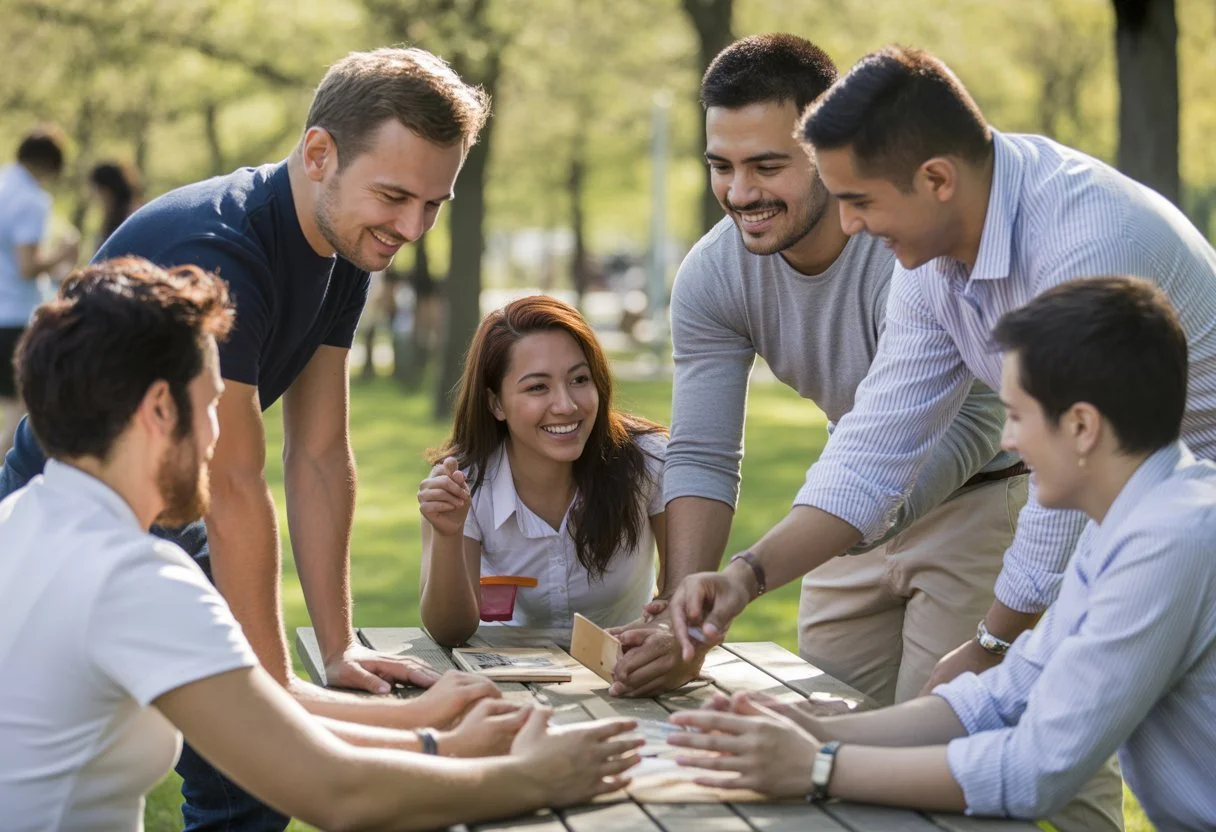
Team building events create natural opportunities for workers to develop stronger collaborative skills and communication habits. These activities break down workplace barriers and establish trust that carries back into daily operations.
Fostering Teamwork Through Shared Experiences
Shared experiences during team building events create common ground amongst colleagues. When your team tackles challenges together outside the office, they develop problem-solving approaches that translate directly to workplace projects.
Activities that require collective effort show team members how to leverage each other's strengths. A cooking challenge might reveal who excels at organisation whilst others shine at creative thinking. These discoveries help teams assign tasks more effectively back at work.
Team bonding through shared experiences builds trust naturally. Your employees learn to rely on one another in low-stakes environments, which makes asking for help easier when real deadlines approach. This foundation of trust improves team cohesion and creates smoother workflows across departments.
Encouraging Open and Honest Communication
Team building activities provide safe spaces for practising open communication without the pressure of performance reviews or project deadlines. Your team members can share ideas freely and receive feedback in constructive ways.
Structured activities teach communication skills through practice. Role-playing exercises or problem-solving tasks require participants to articulate thoughts clearly and listen actively to others. These skills become habits that improve day-to-day workplace interactions.
Open communication during team events helps identify and address misunderstandings before they become larger issues. When colleagues feel comfortable speaking honestly, they're more likely to raise concerns early and contribute ideas that drive innovation.
Breaking Down Silos: Facilitating Cross-Functional Collaboration
Cross-functional collaboration increases when team building events mix employees from different departments. Your marketing team rarely interacts with operations staff during normal work hours, but team activities create natural mixing points.
These interactions help employees understand how different departments contribute to company goals. When your finance team sees the creative process behind marketing campaigns, they better appreciate resource allocation needs. This understanding improves communication and collaboration across the organisation.
Breaking down departmental silos leads to improved problem-solving. Your teams gain access to diverse perspectives and expertise they might not seek out otherwise. Projects benefit from this broader input, resulting in more innovative solutions and fewer overlooked considerations.
Innovative Team Building Activities and Event Ideas
Companies are moving beyond traditional icebreakers to implement team-building activities that create real impact. From hands-on problem-solving challenges to outdoor adventures, these modern team activities focus on building trust and improving collaboration through shared experiences.
Problem-Solving Challenges and Escape Rooms
Escape rooms have become one of the most popular corporate team building activities because they require genuine collaboration under pressure. Your team must work together to solve puzzles, decode clues, and complete challenges within a set time limit. These activities naturally encourage communication and reveal team dynamics.
Problem-solving challenges extend beyond escape rooms. You can organise murder mystery events, strategy games, or custom-designed puzzles that align with your company goals. These activities work particularly well for teams that need to improve decision-making skills.
The benefit of these challenges is immediate feedback. Team members quickly see how their communication affects outcomes. They learn to delegate tasks, share ideas, and trust each other's expertise.
Scavenger hunts offer another engaging option. Teams navigate through locations, solve riddles, and complete tasks together. You can customise these hunts for your office building, city centre, or even create virtual versions for remote teams.
Creative Workshops for Team Engagement
Creative workshops tap into skills your team rarely uses during regular work hours. Painting classes, pottery sessions, cooking competitions, and music workshops encourage collaboration in unexpected ways. These activities level the playing field since most participants start as beginners.
Cooking classes are particularly effective team building ideas. Your team must coordinate timing, share equipment, and combine individual efforts to create a final meal. The shared accomplishment of enjoying food together reinforces the connection.
Art-based workshops reduce workplace stress whilst building relationships. When team members create something together, they communicate differently than they would in meetings. This shift in interaction often leads to stronger bonds.
You can also consider innovation workshops where teams design products, develop solutions to real business challenges, or participate in design thinking exercises. These blend creativity with practical outcomes.
Community Service Projects and Volunteer Days
Community service projects create meaningful shared experiences whilst contributing to worthy causes. Your team might build homes, pack meals for food banks, clean local parks, or mentor young people. These activities provide perspective beyond daily work challenges.
Volunteer days strengthen team bonds through purposeful work. Research shows that employees who participate in community service together develop stronger workplace relationships. They see each other's values in action and connect on a deeper level.
You can align your community service with company values to reinforce corporate culture. Environmental organisations suit sustainability-focused companies, whilst education charities might appeal to tech firms. This alignment makes the experience more meaningful.
The impact extends beyond your team. Companies that organise regular volunteer days often see improved morale and increased employee engagement. Your team gains a sense of shared purpose that carries back into the workplace.
Adventure Activities and Outdoor Experiences
Outdoor experiences push teams outside their comfort zones in controlled, safe environments. A ropes course challenges individuals to trust teammates whilst navigating physical obstacles. Rock climbing, kayaking, and orienteering similarly require communication and mutual support.
Corporate retreats that incorporate adventure activities create lasting memories. When team members overcome challenges together in nature, they build confidence in each other's abilities. These experiences translate directly to workplace trust.
You don't need extreme sports to benefit from outdoor team building ideas. Simple activities like group hiking, camping, or obstacle courses work just as well. The key is creating situations where team members must rely on each other.
Adventure activities reveal leadership qualities and teamwork skills that don't surface in normal office settings. You'll often discover hidden strengths in quieter team members and see natural leaders emerge in unexpected ways.
Planning and Implementing Effective Team Building Events
Success in corporate team building requires clear objectives, thoughtful inclusion of all employees, and systematic review of what works. These three elements transform standard corporate events into powerful tools that strengthen employee productivity and workplace relationships.
Setting Clear Goals and Outcomes
You need to define what you want to achieve before booking any venue or activity. Start by identifying specific challenges your team faces, whether that's poor communication between departments, low employee productivity, or lack of innovation in problem-solving.
Write down measurable outcomes for your event. Instead of vague aims like "improve morale," set targets such as "increase cross-department collaboration on three new projects within two months" or "reduce project completion time by 15%." These concrete goals help you choose appropriate activities and measure success later.
Match your activities to your objectives. If building trust is your priority, select exercises that require vulnerability and mutual support. For boosting innovation, choose problem-solving challenges that push teams outside their comfort zones. Corporate events focused on employee productivity might include workshops on time management or collaborative project planning sessions.
Share these goals with participants before the event. When employees understand the purpose behind activities, they engage more fully and see beyond surface-level fun. This transparency also helps justify the investment in corporate team building to senior leadership.
Ensuring Inclusivity and Accessibility
Your team building event must work for everyone on your team, regardless of physical ability, personality type, or cultural background. Physical activities that exclude employees with mobility issues or health conditions damage morale rather than improve it.
Offer diverse activity options that cater to different comfort levels. Not everyone thrives in high-energy group challenges. Include quieter, reflection-based tasks alongside active ones. This variety ensures introverted team members contribute meaningfully without forcing them into uncomfortable situations.
Consider dietary requirements, religious observances, and family commitments when scheduling. Survey your team beforehand about accessibility needs and potential barriers. A simple questionnaire reveals obstacles you might miss and shows employees you value their participation.
Choose venues with proper facilities for wheelchair users and those with sensory sensitivities. Review activities for cultural appropriateness and remove anything that might alienate team members from different backgrounds. The benefits of team building only materialise when every employee feels welcome and able to participate fully.
Integrating Reflection and Continuous Improvement
Build structured reflection time into your event schedule. Immediately after key activities, gather teams for brief discussions about what they learned and how it applies to daily work. These conversations cement the connection between fun exercises and real workplace challenges.
Use feedback forms that ask specific questions about what worked and what didn't. Rather than generic ratings, request concrete examples of moments that fostered building trust or sparked new ideas. This detailed feedback guides your planning for future corporate events.
Follow up within two weeks of the event. Send a summary of key takeaways and ask teams to identify one practice they'll implement based on their experience. Track whether these commitments lead to actual changes in collaboration or innovation over the following months.
Review participation data and outcomes against your original goals. If employee productivity hasn't improved as expected, analyse whether your activities truly addressed the underlying issues. Adjust your approach for the next event based on evidence rather than assumptions.
Sustaining the Impact of Team Building in the Workplace
Team building events create immediate improvements in morale and collaboration, but these benefits fade without proper follow-through. The real value comes from tracking results over time and keeping the positive momentum alive through regular activities.
Measuring Long-Term Benefits and Outcomes
You need concrete data to understand whether your team building efforts actually work. Track employee engagement scores before and after events to see real changes in how people feel about their work. Monitor employee productivity through project completion rates and quality of output over several months.
Communication patterns offer clear evidence of lasting impact. Look for increases in cross-department collaboration and fewer workplace conflicts. Employee retention rates tell you if people feel more connected to your team and want to stay with your organisation.
Key metrics to track include:
Employee satisfaction survey results
Team collaboration frequency
Project completion times
Staff turnover rates
Internal communication quality
Research shows that 62% of office workers see improved communication from team building, with 29% noticing long-term positive changes. These numbers matter because they connect directly to your organisational culture and bottom line.
Maintaining Momentum with Regular Initiatives
One-off events don't create lasting change in your workplace. You need consistent activities spread throughout the year to keep teams engaged and connected. Schedule quarterly team building sessions to maintain the relationships and trust built during previous events.
Mix up your approach with different types of activities. Combine social events with skill-building workshops and community service projects. This variety keeps people interested whilst addressing different aspects of teamwork and collaboration.
Create opportunities for spontaneous connection between formal events. Set up regular team lunches, walking meetings, or casual Friday gatherings. Small, frequent touchpoints reinforce the bonds formed during larger initiatives.
Build feedback loops into your programme. Ask employees what worked well and what they want to see next. This input helps you design activities that genuinely boost morale rather than just ticking boxes.
Frequently Asked Questions
Team building events raise practical questions about their impact, implementation, and value in the workplace. Understanding how these activities influence morale, collaboration, and performance helps organisations make informed decisions about their team development strategies.
What are the key benefits of team building events for workplace morale?
Team building events improve employee morale by creating positive shared experiences outside normal work routines. When your team participates in these activities, they develop stronger relationships and feel more valued by the organisation.
These events break down social barriers between team members and departments. Your employees build trust and feel more comfortable communicating with colleagues they might not interact with regularly.
Team building also reduces workplace stress by providing enjoyable breaks from daily tasks. This refreshed mindset carries back into the office, leading to better attitudes and increased job satisfaction amongst your staff.
How can team building activities enhance collaboration among employees?
Team building activities strengthen collaboration by requiring your employees to work together towards common goals. These shared challenges teach your team members how to communicate effectively and leverage each other's strengths.
When your staff participates in collaborative activities, they learn new problem-solving approaches from their colleagues. This exposure to different working styles helps them adapt their communication methods for better teamwork.
The connections formed during team building translate directly into improved workplace collaboration. Your employees who have built rapport through these events are more likely to seek help from each other and share information freely.
What types of team building events are most effective for building strong work relationships?
Activities that require genuine collaboration produce the strongest workplace relationships. Problem-solving challenges, escape rooms, and group projects create situations where your team must communicate and rely on each other.
Volunteer activities and community service projects build meaningful connections through shared purpose. Your employees bond over helping others whilst developing a sense of collective achievement.
Social events like team meals or creative workshops allow natural relationship building. These lower-pressure environments let your staff connect on a personal level without the intensity of competitive activities.
Can regular team building events lead to measurable improvements in team performance?
Regular team building events do produce measurable performance improvements when implemented consistently. Your organisation can track metrics like employee engagement scores, project completion rates, and internal communication patterns.
Teams that participate in regular building activities show reduced conflict and faster problem resolution. Your staff develops stronger working relationships that translate into smoother collaboration on daily tasks.
You can measure improvements through employee retention rates and absenteeism statistics. Teams with strong morale typically show lower turnover and better attendance compared to disconnected groups.
How should organisations integrate team building into their corporate culture for the best results?
Your organisation should schedule team building activities regularly rather than treating them as one-off events. Quarterly or bi-annual events maintain momentum and continuously strengthen team connections.
You need to align team building activities with your company values and goals. Choose events that reflect your organisational culture and address specific challenges your teams face.
Make participation inclusive by considering different preferences, abilities, and schedules across your workforce. Offer varied activities that appeal to diverse interests and accommodate remote team members when applicable.
Budget appropriately for team building as an investment in your workforce rather than an optional expense. Your commitment to these events signals their importance to your employees.
What role does leadership play in successful team building and fostering a collaborative environment?
Your leaders must actively participate in team building events to demonstrate their commitment. When managers join activities alongside their teams, it breaks down hierarchical barriers and builds mutual respect.
Leadership sets the tone for how team building outcomes transfer back to daily work. Your managers need to reinforce collaborative behaviours and maintain the positive momentum generated during events.
You should train your leaders to facilitate psychological safety within their teams. This foundation allows the benefits of team building to flourish through open communication and healthy conflict resolution.
Your leadership team must model collaborative behaviour consistently in their own interactions. When senior staff demonstrate strong teamwork, it establishes expectations and norms throughout your organisation.